
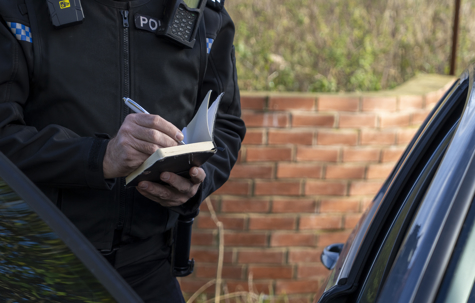
When you are involved in a car, motorcycle, or truck accident, one of the first documents generated is the police accident report. These reports are often seen as authoritative records of what occurred, but their impact on your personal injury case can be both positive and negative. Understanding how these reports are used in legal proceedings can help you make informed decisions about your claim.
The Role of Police Reports in Personal Injury Cases
A police accident report typically includes information such as the date, time, and location of the incident, descriptions of the vehicles involved, and statements from drivers, passengers, and witnesses. It may also include diagrams of the accident scene and the officer’s assessment of the contributing factors.
For personal injury claims, this report can serve as an important piece of evidence. Insurance companies and attorneys often rely on police reports to establish a timeline of events, verify the circumstances of the accident, and identify potential liability. A well-documented report can support your account of the accident and strengthen your case.
How Police Reports Can Help Your Case
Police reports can be helpful in several ways. First, they provide a contemporaneous record of the accident, which is useful if memories of the event fade over time. Second, witness statements included in the report can corroborate your version of events, adding credibility to your claim. Third, if the officer clearly identifies the at-fault party, this can simplify negotiations with insurance companies and provide leverage when seeking compensation.
Additionally, police reports often include photographs or diagrams that capture evidence at the scene. These visuals can be valuable in illustrating the extent of damage and the conditions that contributed to the accident, which can influence settlement discussions or court proceedings.
How Police Reports Can Hurt Your Case
While police reports can be helpful, they are not always entirely accurate or neutral. Officers prepare reports quickly, often relying on brief interviews and their observations at the scene. Mistakes or omissions can occur, and these inaccuracies can be used by insurance companies to challenge your claim.
In some cases, the report may include conclusions that do not align with your account, such as attributing partial fault to you. Even minor errors in descriptions or diagrams can be exploited to reduce the perceived severity of the accident or question your credibility.
It is important to remember that the police report is just one piece of evidence. It should be considered alongside medical records, witness statements, and other documentation. Experienced attorneys understand how to evaluate and use police reports to strengthen your case while addressing potential weaknesses.
Best Practices When Handling Police Reports
After an accident, it is wise to obtain a copy of the police report as soon as possible. Review it carefully for errors or inconsistencies, and share it with your attorney. Do not assume the report will automatically favor your side or reflect all details accurately. Your attorney can guide you in correcting inaccuracies, supplementing the report with additional evidence, and presenting a comprehensive case to insurance companies or in court.
Oklahoma Accident Injury Claims: Get the Compensation You Deserve
Police accident reports are a critical component of personal injury cases, offering both benefits and potential challenges. Understanding their role can help you navigate the claims process more effectively and protect your legal rights.
If you have been injured in a car, motorcycle, or truck accident, contact Martin, Jean, Jackson, Martin & Peach today at (405) 337-0005. Our experienced attorneys can review your case, assess the police report, and guide you toward the compensation you deserve.